












Pillow Buying Guide: How to Choose the Right Pillow for Your Sleep Style
The right pillow directly affects comfort and overall sleep quality, but many sleep styles and materials can make selection confusing. This guide explains how different pillows meet specific positions and needs. After reading, you’ll understand which pillow types and materials suit your sleep style and what factors to consider to optimize sleep health.
Sleep Positions and Recommended Pillow Types
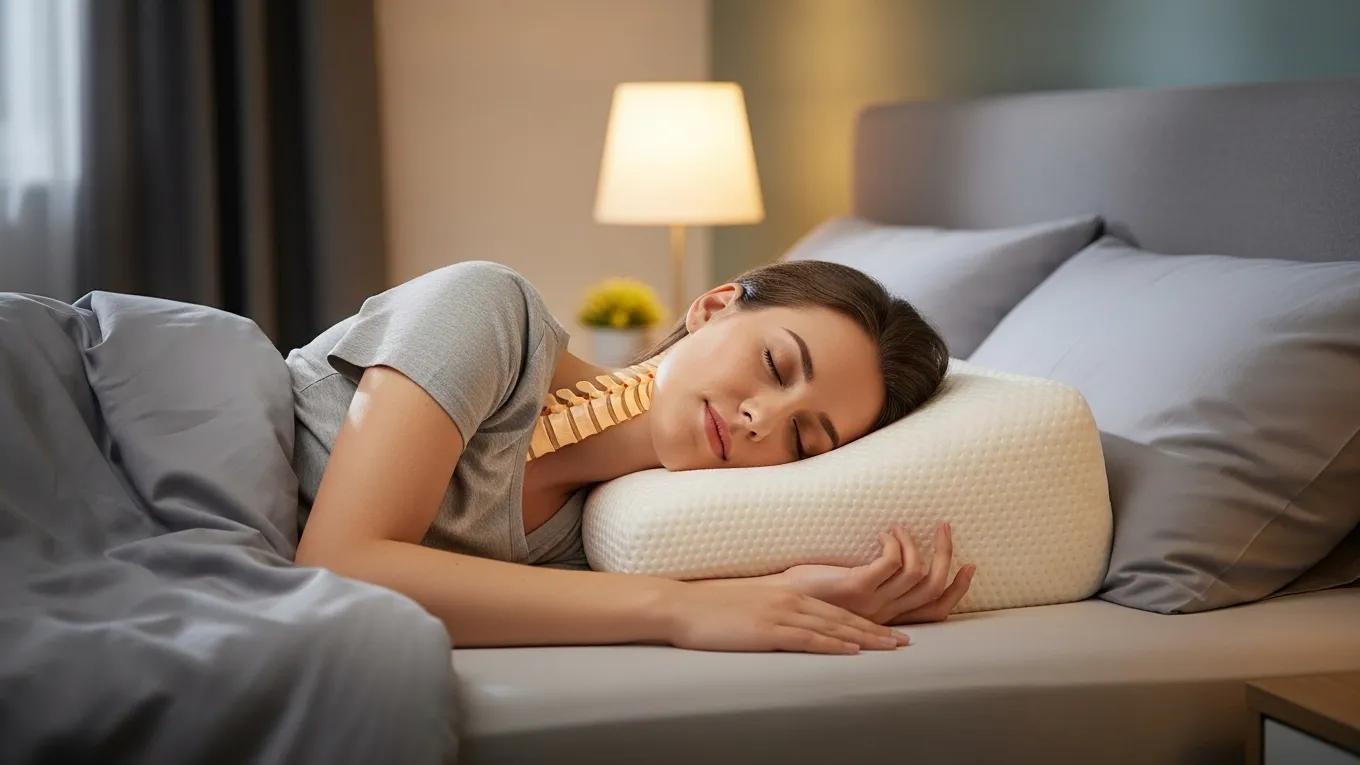
Your sleep position dictates support and alignment needs. Choosing a pillow that matches your position helps maintain spinal alignment and reduce neck or back discomfort. Below are recommended pillow types for common sleep positions.
Side Sleepers
Side sleepers need a pillow that supports the head and neck to preserve spinal alignment. A higher-loft option, such as memory foam or latex, often fills the gap between shoulder and head, reducing neck strain. For specialized support options, explore the range available at their online shop.
Back Sleepers
Back sleepers typically benefit from a medium-loft pillow that supports the natural curve of the neck without pushing the head forward. Contour designs or memory foam options can provide targeted support while remaining comfortable through the night.
Stomach Sleepers
Stomach sleepers usually need a low-loft, soft pillow to avoid neck extension. A down or fiberfill low-profile pillow keeps the head aligned with the spine, which helps minimise discomfort.
Combination Sleepers
Combination sleepers who change positions during the night often benefit from adjustable pillows. Models that allow loft and firmness adjustments adapt to back, side, and stomach positions and provide consistent support as your position changes.
Material Considerations

Pillow material influences comfort, support, and durability. Common materials deliver distinct benefits depending on your priorities and sleep style.
Selecting the right material improves support and comfort based on your needs. For expert guidance, consult sleep-product professionals—Golden Isles Mattress provides personalized advice.
Firmness and Loft
Pillow firmness describes how soft or firm it feels; loft is the pillow’s height. Both influence neck alignment and comfort.
Firmness: A firmer pillow typically suits side sleepers, while back and stomach sleepers may prefer softer options.
Loft: Ideal loft varies by position—side sleepers often need higher loft, stomach sleepers lower loft.
Evaluating firmness and loft helps you choose a pillow that matches your sleep position and comfort preferences.
Additional Considerations
Consider these additional factors to enhance your sleep experience:
Temperature Regulation: If you sleep hot, choose pillows with cooling features like gel-infused memory foam or breathable latex to help maintain a comfortable temperature.
Personal Preferences: Account for allergies and sensitivities; hypoallergenic options are available for those who react to down or certain synthetics.
Pillow Maintenance: Inspect pillows regularly for wear. Most should be replaced every 1–3 years to preserve support and hygiene.
For personalized recommendations, schedule a pillow fitting to identify the best match for your sleep style. Golden Isles Mattress offers tailored pillow fitting services to ensure you select the right pillow for your needs. If you have specific questions or need further assistance, you can easily contact us for tailored support.
Pillow Shape and Content: Improving Sleep Quality and Cervical Curve Because sleep accounts for roughly one-third of a person’s life, using a pillow that provides appropriate neck support to maintain the cervical curve may help improve sleep quality. Orthopedic pillow designs follow orthopedic guidelines to support the cervical curve. This study examined the effects of different pillow shapes and fillings on cervical curve, pillow temperature, and comfort. It compared a feather pillow (used as a standard) and a memory foam pillow (a popular consumer choice) with an orthopedic pillow. Improving the quality of sleep with an optimal pillow: a randomized, comparative study, HC Jeong, 2014
Frequently Asked Questions
What is the best pillow for neck pain?
The best pillow for neck pain provides targeted support and preserves spinal alignment. Memory foam and latex are commonly recommended because they conform to the head and neck. Match loft and firmness to your sleep position—side sleepers often need thicker pillows; back sleepers may prefer a medium-loft option. A sleep specialist can help you identify the best fit for your needs.
How often should I replace my pillow?
Replace pillows every 1 to 3 years, depending on material and use. Over time pillows can lose support and collect allergens. If you notice lumps, a persistent odor, or flattening, it’s time for a replacement. Regular inspections help maintain support and hygiene.
Can pillow firmness affect sleep quality?
Yes. A pillow that is too firm or too soft can cause discomfort and misalignment, which may lead to neck or back pain. Side sleepers typically benefit from firmer pillows to fill the shoulder-to-head gap, while back and stomach sleepers often prefer softer options. Choosing the correct firmness for your position is key to restful sleep.
What are hypoallergenic pillows, and who should use them?
Hypoallergenic pillows are designed to reduce exposure to allergens such as dust mites, mold, and pet dander. They are suitable for people with allergies or sensitivities to traditional materials like down. Common hypoallergenic choices include synthetic fills, latex, and some memory foams. If you experience allergy symptoms at night, switching to a hypoallergenic pillow may improve comfort and sleep quality.
How can I determine the right loft for my pillow?
Right loft depends on your sleep position. Side sleepers generally need a higher loft to fill the space between shoulder and head; back sleepers do well with medium loft that supports the neck’s natural curve; stomach sleepers typically require low loft to keep the head aligned with the spine. Try different lofts and adjust based on comfort to find the ideal height.
Are there pillows specifically designed for hot sleepers?
Yes. Pillows for hot sleepers use cooling features to regulate temperature—common choices include gel-infused memory foam, breathable latex, and moisture-wicking fabrics. These materials promote airflow and dissipate heat. If you sleep hot, look for pillows labelled as cooling or temperature-regulating to improve comfort.